


Glass lids
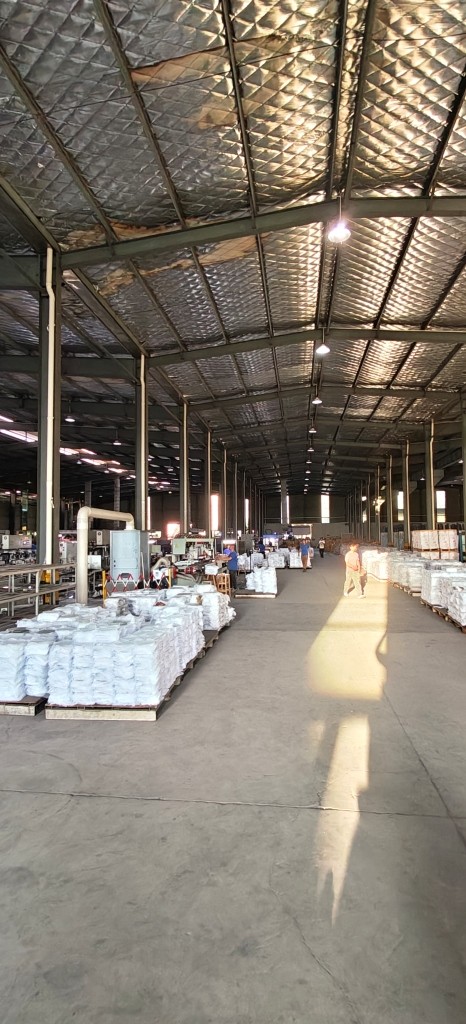
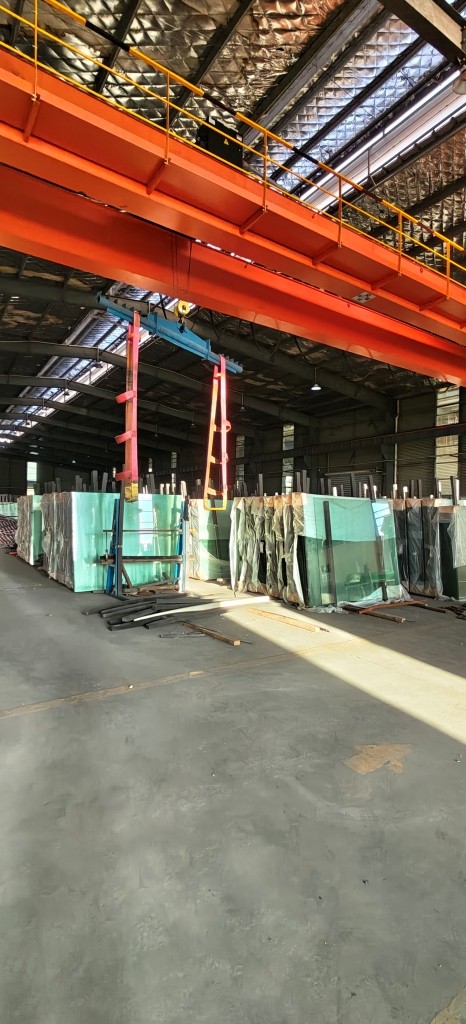
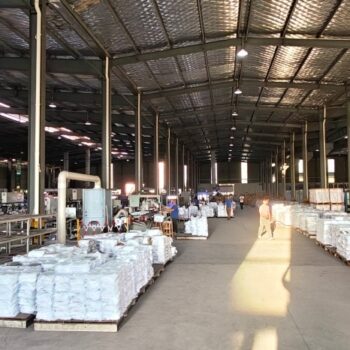
MCG S.r.l. supplies tempered glass lids with stainless steel ring, guaranteeing an excellent quality not only in terms of the product itself, but also on the standards of the supplier overtime. The lids are manufactured in China, where our partners regularly oversee the production accuracy via spot checks.
Besides the classic type G, we offer a wide selection of glass, glass and steel, glass and silicon lids: type T, type C and Type F, among others. All lids are available in standard dome, high dome and fla version. Moreover, we can assemble lids in various shapes and size, with or without steam vent valve, and customize them with logos and decorations according to your preference.
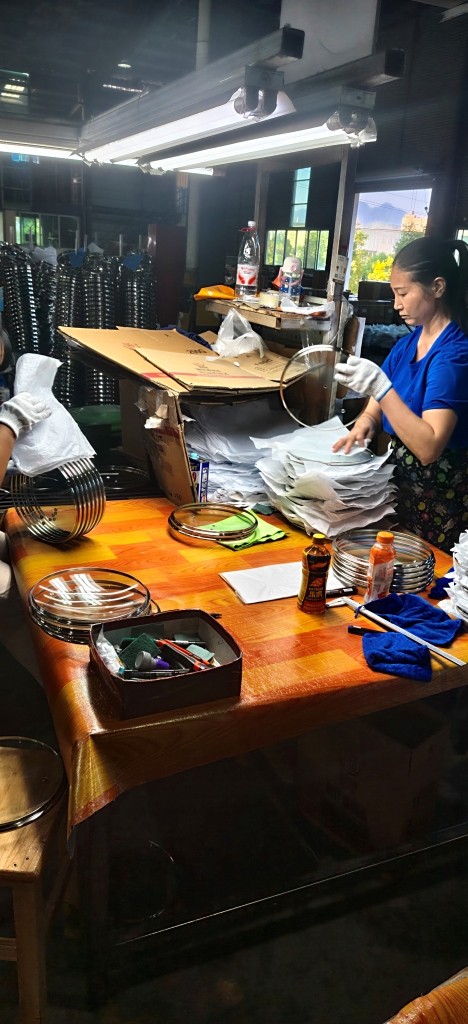
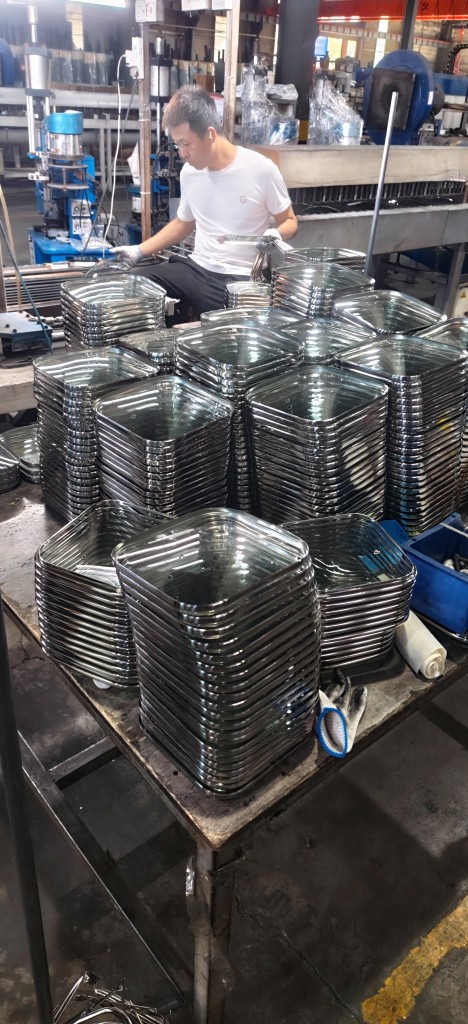
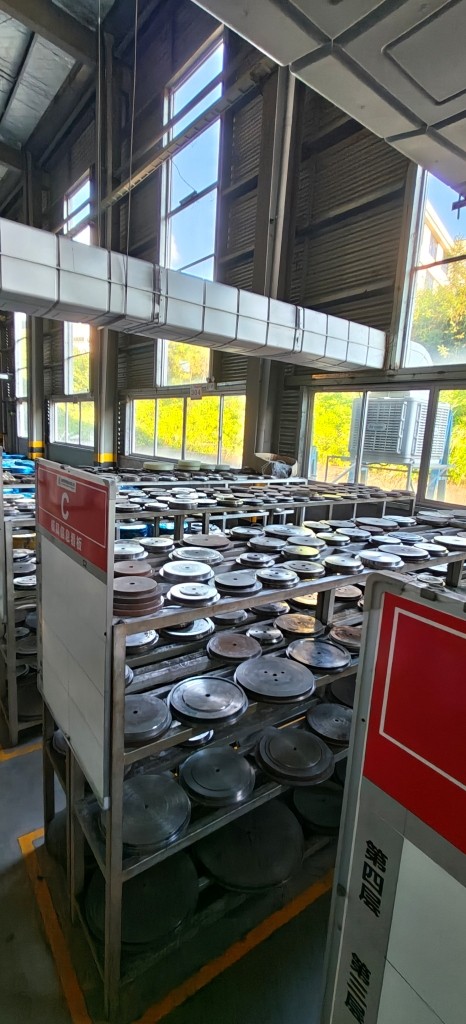
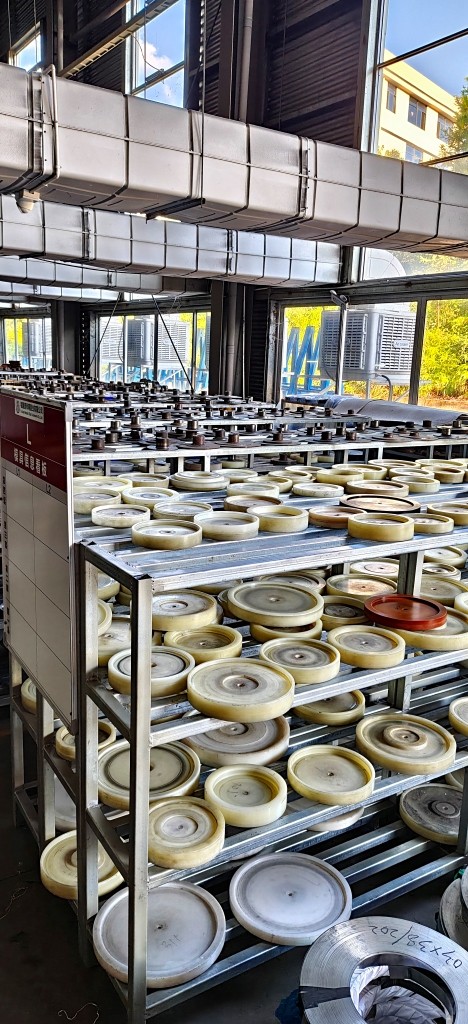
How does the manufacturing process work?
1. Glass Cutting and Shaping:
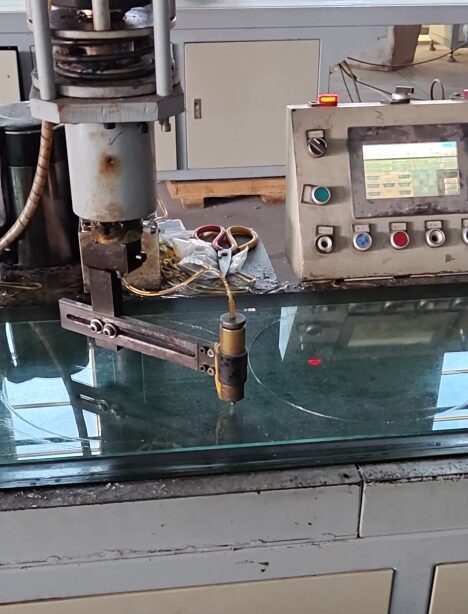
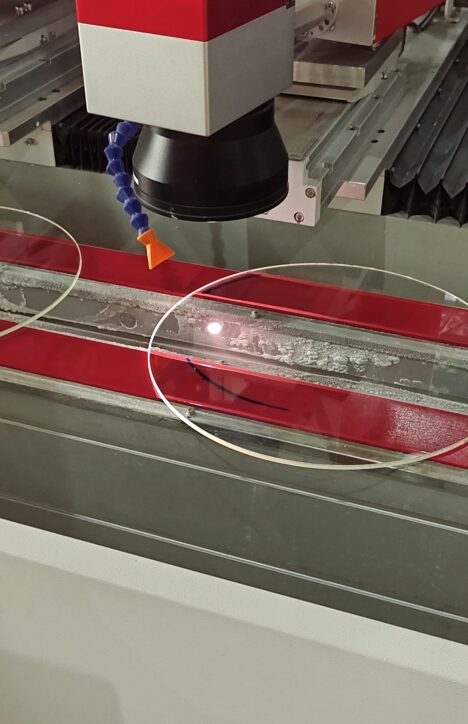
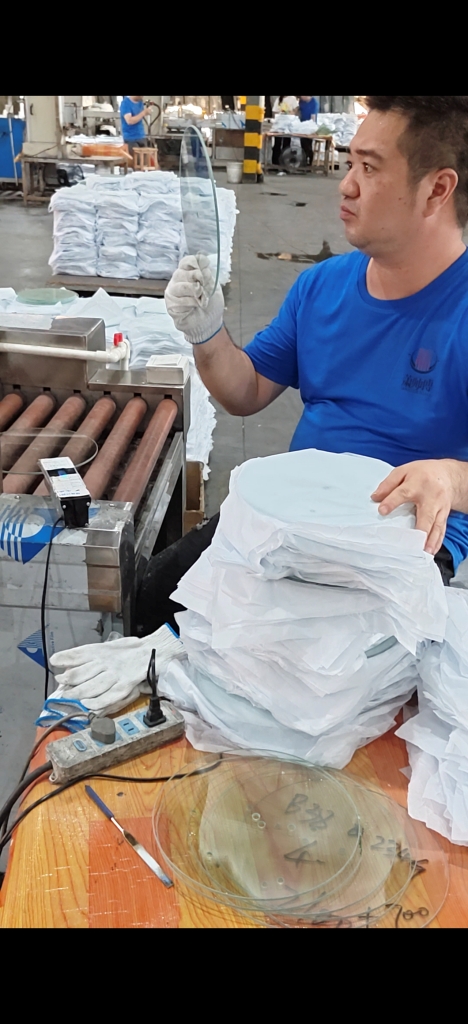
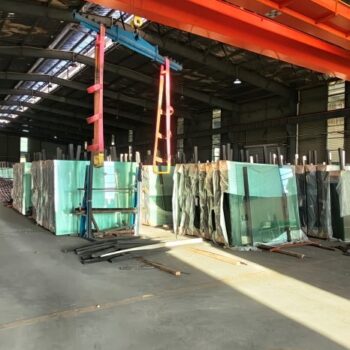
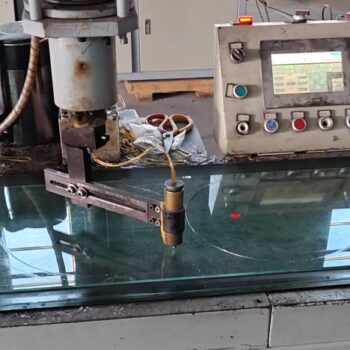
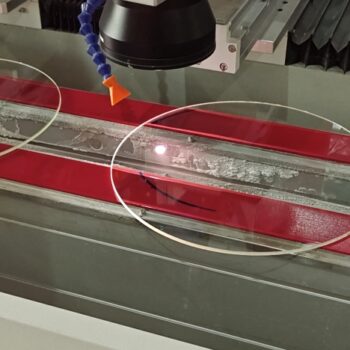
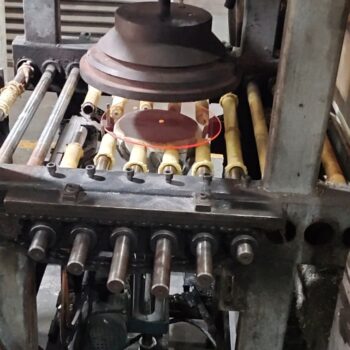
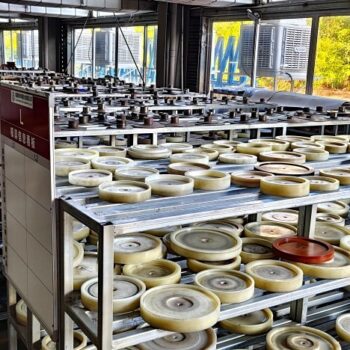
The production cycle starts with flat glass sheets (generally 4mm-thick float glass), which are cut into the desired sizes and shapes—predominantly circular, but also oval or square—using high-precision CNC (Computer Numerical Control) machinery. The raw edges of the glass are subsequently ground and smoothed to eliminate surface micro-cracks and prevent future mechanical stresses. During this phase, the steam vent hole and the hole (or multiple holes) for the knob or handles to be fitted at the very end of the production process are also drilled.
2. Thermal Safety Tempering:
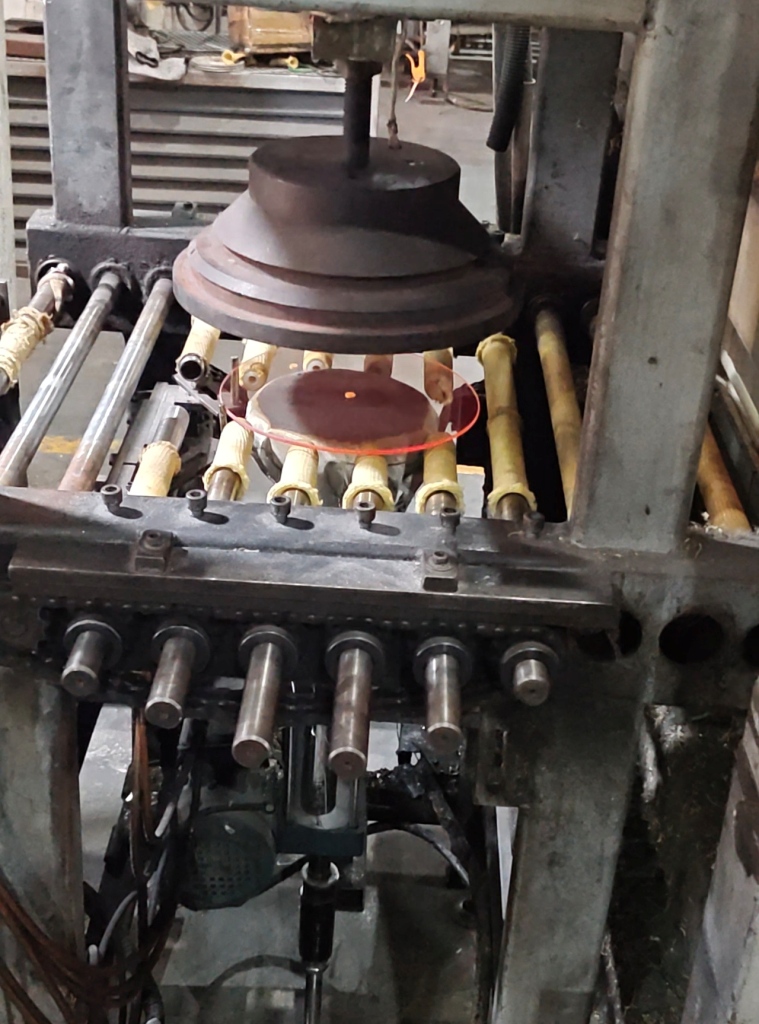
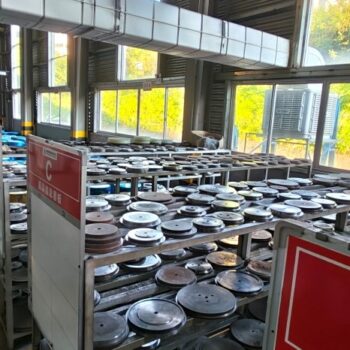
The shaped glass undergoes a heat treatment in specialized furnaces, where it is heated to a temperature of approximately 600–700 °C and then rapidly cooled via controlled air jets. This process generates internal stresses that give the glass high resistance to impacts and thermal shock. In compliance with safety regulations, if broken, tempered glass fragments into non-sharp micro-granules. Inside the factory, an impact test is performed on each production cycle to verify whether this process has been carried out correctly.
3. Stamping and Profiling of the Steel Rim:
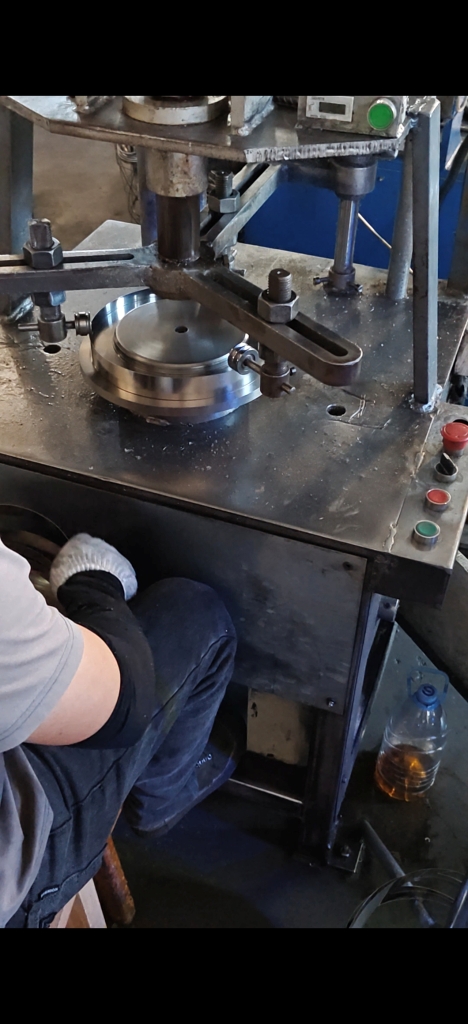
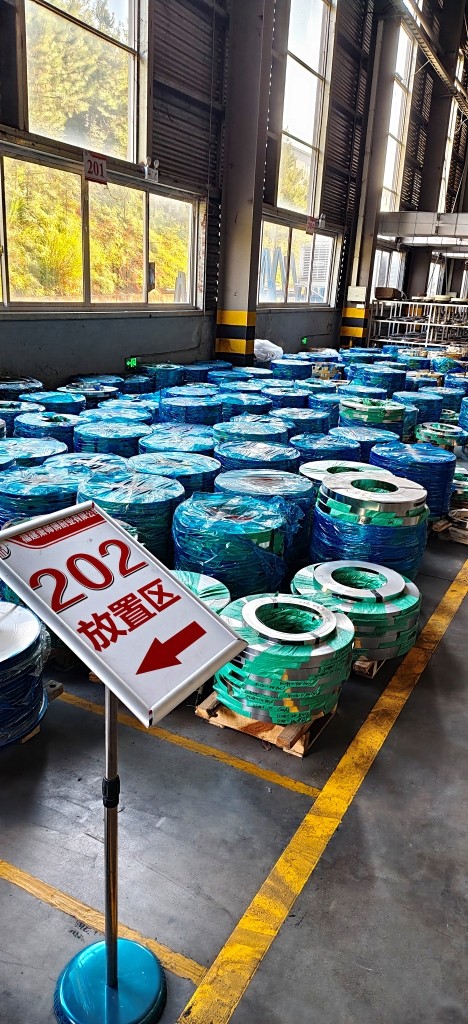
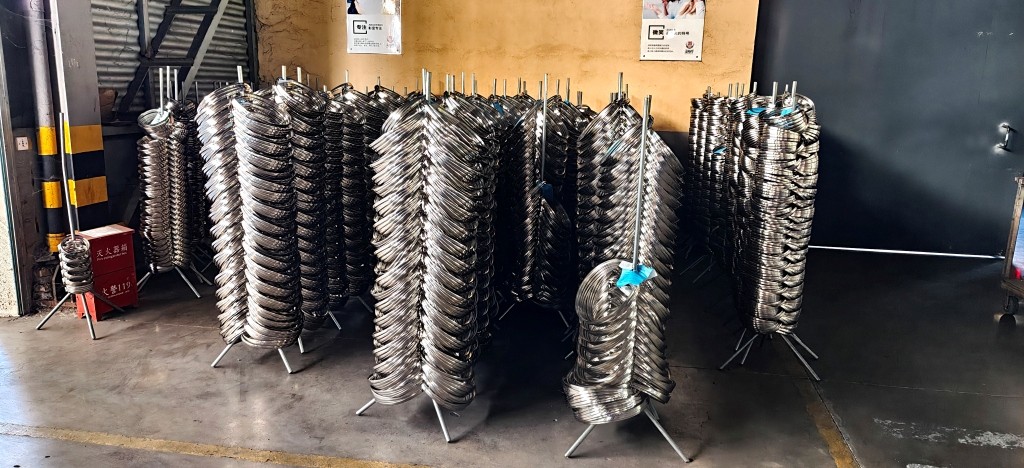
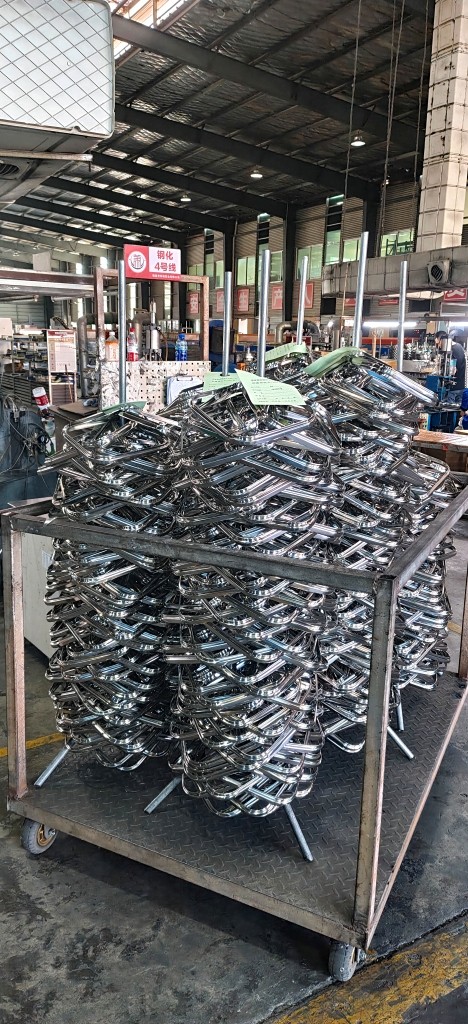
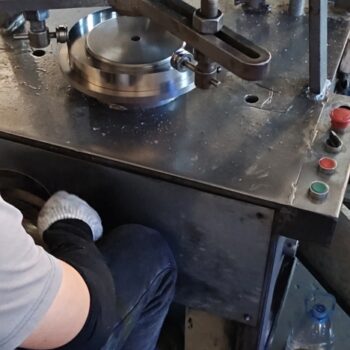
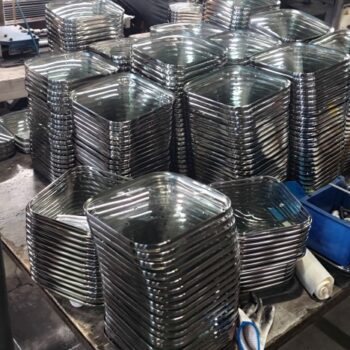
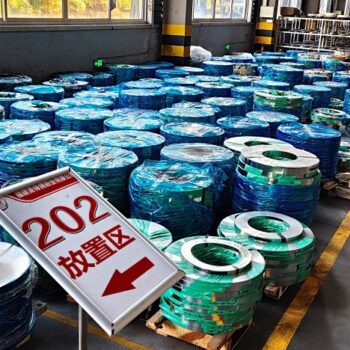
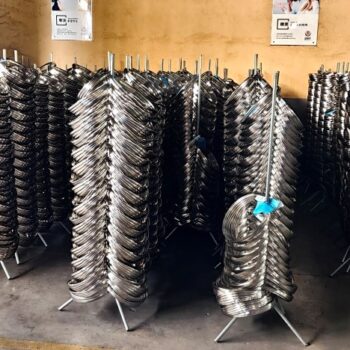
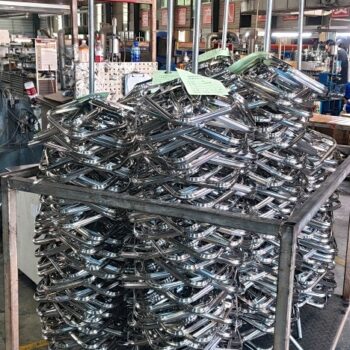
Concurrently, work begins on the protective perimeter profile, usually made of stainless steel (often AISI 430, 202, or 304 for food contact). Steel sheets or coils are cut, stamped, and cold-profiled using industrial presses to take on the characteristic “U” or “C” section designed to accommodate the edge of the glass.
4. Assembly and Mechanical Seaming:
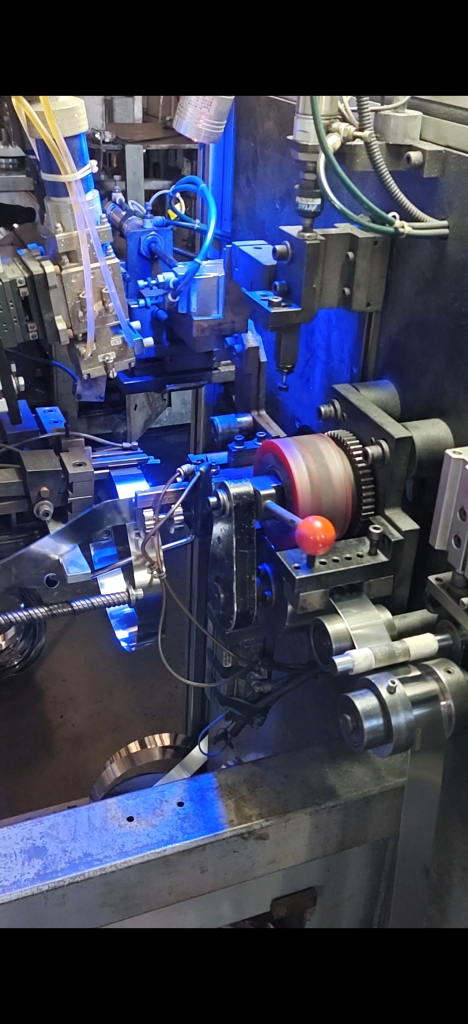
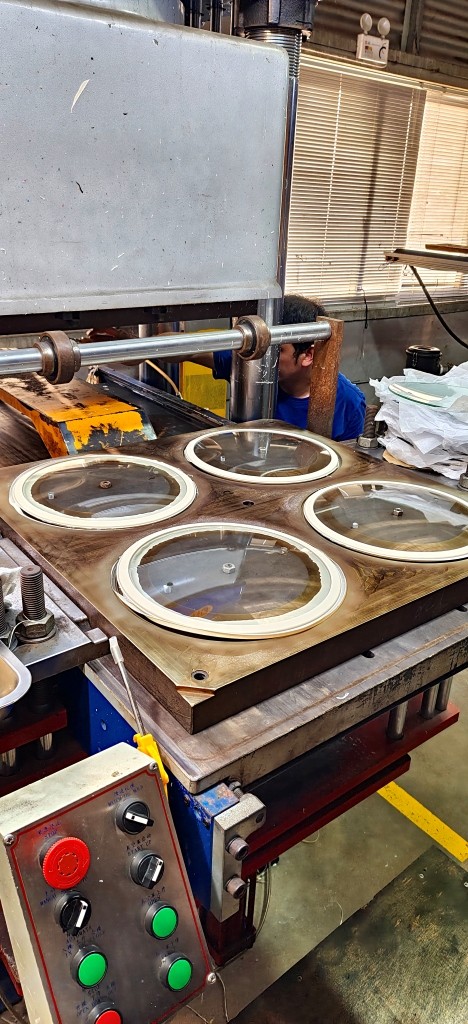
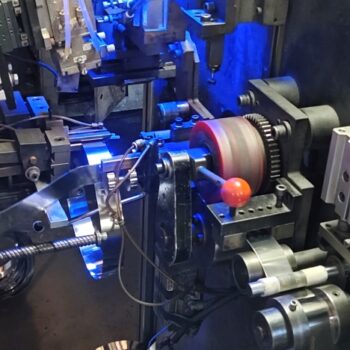
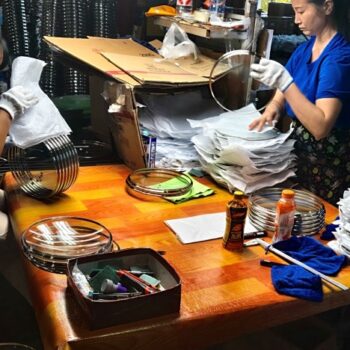
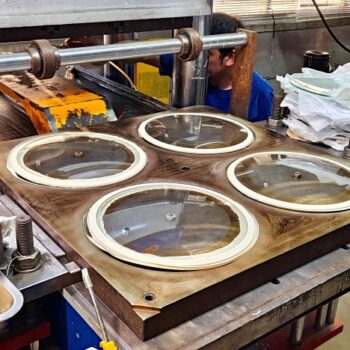
The tempered glass disc and the steel profile are joined during the seaming phase. The metal rim is fitted onto the perimeter of the glass and hermetically tightened using new-generation laser machinery that almost completely eliminates the visible joint mark where the two ends of the steel meet. The operation must ensure a stable and precise closure, preventing the infiltration of liquids or food residues during use and washing.
5. Quality Control and Packaging:
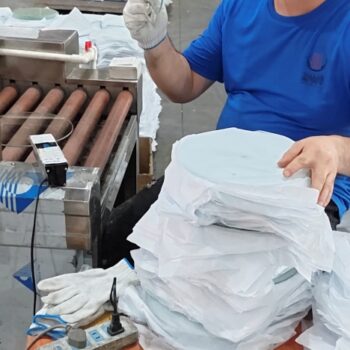
Before being placed on the market, each production batch undergoes rigorous quality tests: dimensional checks, visual inspections of the surface finish, profile seal tests, and thermal shock resistance tests. Eligible products are then labeled, packed with protective materials, and dispatched for commercial distribution.


G-Type
The type G lid is the most popular, well-know and sold glass lid within the category. Its classic molded iron rim makes it the ideal complement to any item, be it a pot, a frying pan or a saucepan. Manufactured with tempered glass with a thickness of 4 or 3,6 mm, it is a low-cost and easy to customize product. In fact, you can order it in various diameters other than the standard ones. Moreover, as with all our lids, it is possible to imprint your logo via silk-screen printing.


T-Type
Slightly more expensive than type G, lids of type T present a wider rim and are thus optimal for those products where the matching of the items is more prominent. Just like type G, you can decide to customize the lid with your logo. The product is available in different dimensions.


F-Type / Wide
F-Type / Wide


Silicon
Silicon Lids


C-Type
Glass lids C-Type


B-Type
B-Type


L-Type (strainer)
Glass lids L-Type (strainer)


P-Type
P-Type


H-Type
HB-Type
